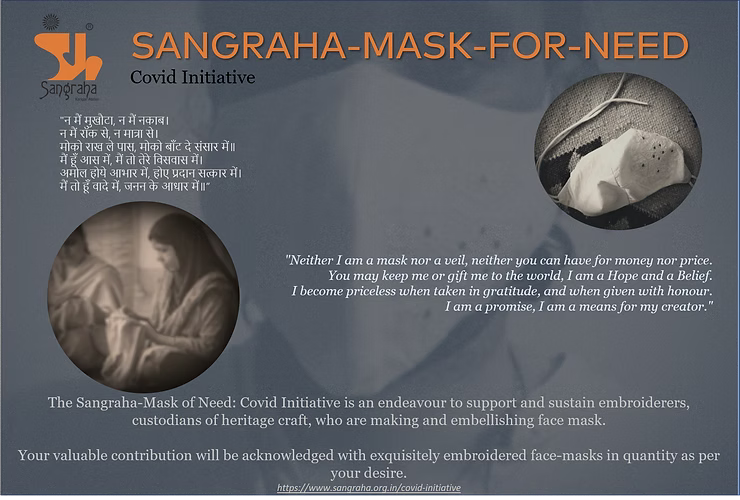
Earth's first synthetic garment still in existence!
#Natural Fibres or Synthetics, its about our self love and environment?
Our ethos at #SANGRAHAtelier has always been to champion natural fibres. Polyesters are so widely used in the in changing fashion that over the years it has become a norm and a consumers has become accustomed to using acrylic, nylon and polyester as materials of clothes. Synthetics are not just replacing natural fabrics in cheaper categories but in high-end fashion too.
Choosing clothing made of natural fibres is a much better option both for the #environment and our health. It makes perfect sense when us think about it…

Natural fibres like linen or cotton help in keeping us both cool and warm by allowing our skin to breathe. The skin is the largest organ in the body and we should be careful about what we near our skin. Wearing naturally sourced fabrics like #cotton can certainly help to keep us cool and well ventilated when the weather warms up and a wool jumper is soft, warm and breathable when you need to be cozy in winter. Synthetics trap heat against the skin, trapping sweat and allowing bacteria to develop. The dreaded body odour becomes embedded in the fabric of synthetic garments.

BABIES SKIN NEEDS TO BREATHE WITH NATURAL FABRICS
Bacteria, sweat and chemicals in fabrics can immensely enhance skin irritations. It becomes imperative to wear natural fibres for people with sensitive skin and babies so the skin can breathe and regulate its temperature.

synthetics means relying on fossil fuel
Synthetic fibres such as polyester are derived from petroleum and the processes involved in its manufacture is damaging to the environment producing greenhouse gas emissions, air and water pollution. By using synthetics we are relying more on #fossil fuels which is unsustainable. Synthetic fabric manufacturing involves the use of vast quantities of chemicals, water and energy intensive processes which in turn have a far greater environment impact than the manufacture of natural fibres, which require far fewer processes and chemicals to become usable.

washing synthetics harms the ecosystem
We hardly realize that washing our clothes was a source of huge damage to our ecosystems. Every time we wash synthetic garments, thousands of microfibers are released into the water, which then goes into #effluent water, eventually ending up in oceans. Because these micro-plastics cannot be readily broken down, they are ingested by fish which then end up in our food chain.
"Natural fibres can also have naturally occurring anti-bacterial and anti-fungal properties."
natural means naturally biodegradable
Also, natural fibres will naturally #biodegrade over time once they have reached the end of their lifetime. Fabrics sourced from organic materials, using fewer chemicals will harmlessly breakdown over time. Synthetic fibres which are essentially plastics are predicted to take many hundreds of years to breakdown in landfill and going by that logic that first synthetic garment that was made on this Earth still exists somewhere.
we cannot undo invention of synthetics
We cannot undo the making of synthetics and its avalanche. Here at SANGRAHAatelier we try to make people aware about better buying, caring for their natural fabrics and wear them longer and recycle. Try to wear things more than once before are washed if the season permits. #Aircleaning woolens is an old Indian technique, use it to maximum. And try to #recycle, #repurpose or #resell clothing you no longer need rather than sending it to landfill. With a simple change we can do our bit towards our wellbeing and that of the environment.